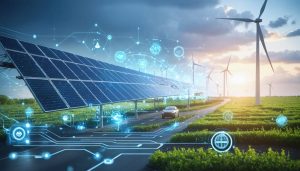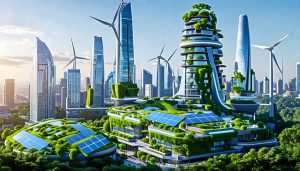
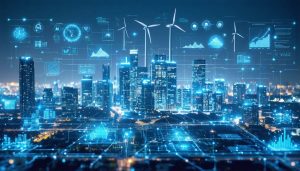
Illustration depicting the integration of smart grid technology and renewable energy sources, featuring solar panels, wind turbines, and digital network patterns.

Smart Grids and Renewable Energy: Powering a Cleaner, More Efficient Future

Imagine a world where the power grid is not just a one-way street, but a dynamic, two-way system that intelligently manages energy from diverse sources. In this world, renewable energy seamlessly integrates with the grid, enabling a cleaner, more sustainable future. Welcome to the era of smart grids and renewable energy – a powerful combination that is revolutionizing the way we generate, distribute, and consume electricity. By harnessing advanced technologies, smart grids optimize the integration of renewable energy sources, enhance grid …

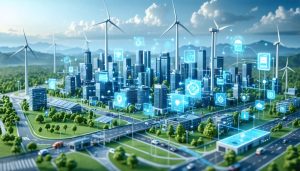
Conceptual illustration of a smart city powered by a smart grid, featuring interconnected smart meters, sensors, and renewable energy sources like solar panels and wind turbines.

Smart Grid 101: Powering the Future of Energy

Discover the power of smart grid energy—a revolutionary approach to electricity distribution that is transforming the energy landscape. By leveraging advanced technologies, real-time data, and two-way communication, smart grids are ushering in a new era of efficiency, reliability, and sustainability. This intelligent network empowers consumers to become active participants in energy management, enabling them to optimize consumption, reduce costs, and integrate renewable energy sources seamlessly. As we navigate the challenges of climate change and the growing demand for clean energy, smart grids offer a compelling solution, paving the …

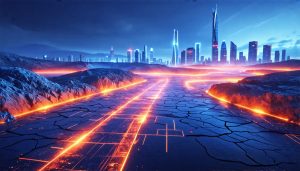
Conceptual illustration depicting the use of geothermal energy to power a futuristic city, with glowing pathways beneath the earth connecting to the urban skyline, symbolizing the integration of sustainable energy in construction.

The Explosive Rise of Geothermal: Powering the Future of Construction

Geothermal energy is revolutionizing the construction industry, offering a sustainable, cost-effective, and efficient solution for heating and cooling buildings. As the demand for renewable energy surges, geothermal systems are emerging as a game-changer in the built environment. By harnessing the Earth’s constant underground temperatures, these innovative systems provide a reliable, environmentally friendly alternative to traditional HVAC methods. From residential homes to commercial complexes, geothermal technology is being …

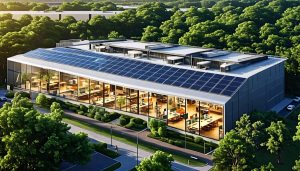
An innovative industrial building surrounded by green landscapes and equipped with solar panels, showcasing the integration of eco-friendly design, efficient structure, and comfortable workspaces.

7 Key Elements of Highly Functional Industrial Building Design

Design an industrial building with purpose, efficiency, and safety at the forefront. Consider the specific operational needs and workflow of the facility to optimize layout and functionality. Incorporate sustainable features like energy-efficient systems, natural lighting, and eco-friendly materials to reduce environmental impact and operating costs. Prioritize employee well-being with ergonomic workspaces, proper ventilation, and amenities that promote a healthy, productive work environment. Ensure compliance with all relevant building codes, safety regulations, and industry standards to create a structurally sound, hazard-free facility…

A conceptual representation of a building showing the integration of smart technology for energy management, featuring digital symbols, data flow, and energy efficiency metrics.

Harnessing Smart Technology to Revolutionize Building Energy Management

Optimize energy efficiency by integrating advanced building energy management systems (BEMS) to monitor and control energy consumption intelligently. Implement automated controls and smart metering to enhance data accuracy and facilitate real-time insights into energy use patterns. Conduct energy audits to identify and rectify inefficiencies, ensuring that all systems operate at peak performance. Employ predictive analytics to anticipate energy demands and adjust systems proactively, minimizing waste and maximizing sustainability.
Understanding Building Energy Management
Key Components of Building Energy Management

An illustration of a futuristic city skyline showcasing buildings integrated with solar panels, wind turbines, green roofs, and vertical gardens, representing the fusion of renewable energy technologies and sustainable design.

Harnessing the Sun, Wind & Earth: The Future of Architecture is Renewable

Harness the power of renewable energy in architecture to create sustainable, energy-efficient buildings that minimize environmental impact and reduce operating costs. Integrate solar panels, wind turbines, and geothermal systems to generate clean electricity and heat, reducing reliance on fossil fuels. Design buildings with passive solar strategies, such as strategic orientation, shading, and thermal mass, to naturally regulate temperature and reduce energy consumption. Implement green roofs and walls to improve insulation, reduce urban heat island effect, and create habitats for wildlife. By embracing renewable energy technologies and …