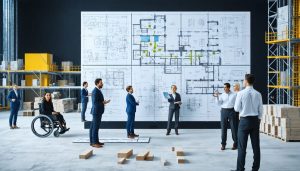
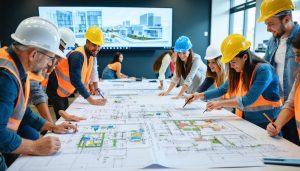
"Diverse group of community members and professionals collaborating over construction designs through blueprints and 3D models in an engaging environment."

Participatory Design: How Construction Projects Thrive Through Community Collaboration

Participatory design revolutionizes construction projects by directly engaging end-users, stakeholders, and community members in the planning and decision-making process. This collaborative approach, emerging from Scandinavian workplace democracy movements in the 1970s, transforms traditional top-down design methodologies into inclusive, user-centered solutions that deliver measurable results. In today’s complex building environment, where stakeholder expectations and project requirements continuously evolve, participatory design offers construction professionals a structured framework to capture diverse perspectives, minimize costly…
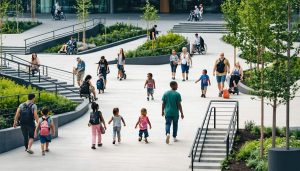
A vibrant urban environment featuring people of diverse ages and abilities interacting with accessible architectural elements such as ramps, tactile paths, and wayfinding signs, illustrating the essence of inclusive design.

Building Beyond Barriers: Real-World Inclusive Design Solutions That Work

Designing for diverse populations demands a fundamental shift in how we approach modern construction and architectural solutions. Today’s built environment must seamlessly accommodate a rich tapestry of users, from varying age groups and physical abilities to distinct cultural backgrounds and socioeconomic circumstances. Through innovative inclusive design patterns, construction professionals are reimagining spaces that serve multiple demographics simultaneously.
Recent …

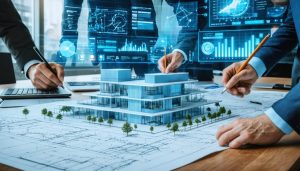
"Architects and designers collaborating over a blueprint with digital displays highlighting design thinking processes in architecture."

Design Thinking Transforms Built Environments: A Professional’s Blueprint

Transform complex architectural challenges into innovative solutions through design thinking’s systematic approach – a methodology that has revolutionized how construction professionals approach cognitive design and spatial planning. Leading architecture firms report a 40% increase in project success rates when implementing structured design thinking processes, particularly in large-scale commercial developments.
The six-stage design thinking framework, when adapted …

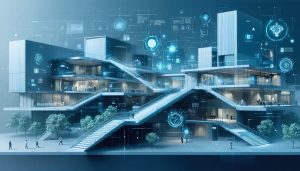
A conceptual cityscape illustration highlighting modern buildings with inclusive design features such as ramps and tactile surfaces, integrated with futuristic technology symbols like digital interfaces, representing the theme of adaptable and future-proof architecture.

Future-Proof Buildings: How Inclusive Design Patterns Are Reshaping Construction

Inclusive design transforms buildings from mere structures into spaces that empower all users, regardless of age, ability, or circumstance. Construction professionals today face the critical challenge of creating environments that not only meet accessibility standards but anticipate and adapt to diverse human needs throughout their lifecycle. By integrating universal design principles from the project’s inception, we eliminate costly retrofits while expanding market reach and enhancing user satisfaction.
Recent data shows that buildings designed with inclusivity at their core generate 15-20% higher occupancy rates and …

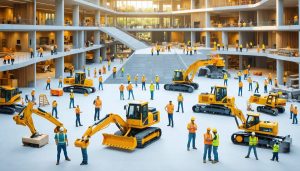
Illustration of a modern construction site featuring diverse individuals collaborating on inclusive design elements like ramps, multilingual signage, and flexible workspaces, showcasing physical, cognitive, cultural, and socioeconomic diversity.

How Smart Design Bridges These 4 Critical Diversity Gaps in Modern Construction

Diversity in construction extends far beyond traditional demographics, fundamentally shaping how we design, build, and operate modern spaces. Four distinct dimensions – physical, cognitive, cultural, and socioeconomic diversity – create the framework for truly inclusive built environments. Physical diversity addresses mobility, sensory capabilities, and age-related needs, demanding thoughtful consideration in everything from entrance designs to workspace layouts. Cognitive diversity encompasses varying learning styles, information processing patterns, and neurological differences, directly influencing wayfinding systems and …

A comparison of a traditional fixed office layout with a modern adaptive workspace, showcasing movable partitions, flexible furniture, and smart technology, symbolizing the transformation and flexibility of adaptive design in architecture.

How Adaptive Design Is Revolutionizing Modern Building Spaces

Adaptive design revolutionizes construction by responding dynamically to evolving human needs, environmental conditions, and technological advancements. This sophisticated approach transcends traditional static design methodologies, enabling buildings and spaces to transform over time while maintaining optimal functionality and user experience.
At its core, adaptive design represents a paradigm shift in architectural thinking, integrating flexibility, modularity, and future-readiness into every aspect of the built environment. It encompasses both physical adaptability—through movable elements, convertible spaces, and modular …

A group of diverse construction professionals reviewing inclusive blueprints on a digital screen, surrounded by high-contrast wayfinding signs and tactile models, depicting an inclusive and accessible construction project in progress.

Inclusive Graphics Transform Construction Projects: Design That Works for Everyone

Inclusive graphics transform construction projects from merely compliant to truly accessible, serving diverse user populations while enhancing property value and market reach. As demographics shift and accessibility regulations tighten, implementing universal design principles through thoughtful graphic elements has become a cornerstone of modern construction excellence.
The integration of inclusive graphics—from high-contrast wayfinding systems to tactile building directories—represents more than regulatory compliance; it demonstrates a commitment to creating spaces that welcome and accommodate all users. Research indicates …

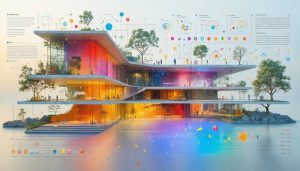
A conceptual image depicting a modern building infused with sensory data, alongside representations of the five human senses, illustrating the impact of sensory design in architecture.

Sensory Design: The New Frontier in Construction That’s Transforming User Experience

Sensory design transcends traditional architectural approaches by orchestrating spatial experiences that engage all five human senses, fundamentally reshaping how we interact with built environments. This sophisticated design methodology addresses core human needs through carefully calibrated environmental stimuli, transforming ordinary spaces into immersive, multi-sensory experiences that enhance occupant wellbeing and performance.
Recent neuroscientific research reveals that …

Split-screen image of a modern, smart office space with advanced lighting and collaborative areas next to a digital display showing brain activity patterns and neural connections.

Smart Buildings Get Smarter: How Cognitive Design Reshapes Modern Architecture

Cognitive design revolutionizes how we create spaces that enhance human performance, wellbeing, and productivity through scientific understanding of mental processes. By merging neuroscience with human-centric architectural design, professionals now shape environments that actively support cognitive function rather than merely housing occupants.
Recent advances in environmental psychology reveal that thoughtfully designed spaces can improve decision-making by 287%, boost creative …

Futuristic building with green walls, smart solar panels, and interactive digital displays, illustrating the integration of technology and nature.

Future-Proof Architecture: How Smart Buildings Adapt to These 7 Core Human Needs

In an era where architectural innovation intersects with human psychology, understanding the seven fundamental human needs has become critical for creating spaces that truly serve their occupants. Modern construction professionals face an unprecedented challenge: designing environments that not only meet technical specifications but also satisfy deep-rooted human requirements for safety, connection, and well-being.
Recent studies in architectural psychology reveal that buildings meeting all seven human needs demonstrate 42% higher occupant satisfaction rates and 31% better long-term functionality. This data underscores a paradigm …