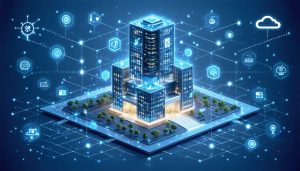
Illustration of a modern building with glowing lines and nodes depicting a smart energy network, featuring icons of IoT sensors, cloud computing, and AI algorithms.

Smart Energy Systems Are Revolutionizing Building Management – Here’s How

Smart energy represents a revolutionary shift in how we generate, distribute, and consume power across modern buildings and infrastructure. By integrating advanced digital technologies, real-time monitoring systems, and automated controls, smart energy solutions transform traditional power grids into intelligent networks that optimize energy usage while reducing operational costs.
At its core, smart energy combines Internet of Things (IoT) sensors, artificial intelligence, and cloud computing to create responsive energy management systems that adapt to real-time demands. These systems continuously analyze consumption patterns, …
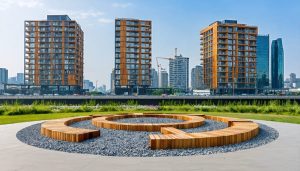
Architectural skyline showcasing buildings constructed with sustainable materials like modular timber, recycled steel, and repurposed concrete, representing the circular economy in modern construction.

These Construction Materials Are Revolutionizing Circular Building Design

Transforming construction waste into valuable resources through circular economy construction has become essential for modern building projects. From recycled concrete aggregates that outperform virgin materials to modular building components designed for multiple life cycles, innovative circular products are revolutionizing sustainable construction practices. Leading manufacturers have developed breakthrough solutions that slash material costs by up to 40% …

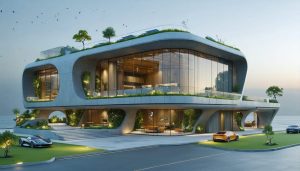
Futuristic building featuring ecosmart construction materials like integrated solar panels, green roof, and self-healing concrete highlighting modern sustainable architecture.

Smart Construction Materials Are Revolutionizing Sustainable Building

The construction industry stands at a pivotal crossroads where environmental responsibility meets technological innovation. Ecosmart construction, representing a paradigm shift in building methodology, combines cutting-edge sustainable materials with intelligent design principles to create structures that minimize environmental impact while maximizing operational efficiency. By integrating advanced building automation systems, renewable energy solutions, and bio-based materials, modern construction projects can reduce carbon emissions by up to 40% compared to traditional methods while delivering superior performance metrics.
As …

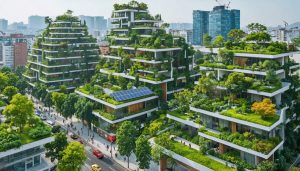
A modern city integrating extensive green spaces such as rooftop gardens and urban parks, showcasing sustainable urban infrastructure amidst a vibrant cityscape.

Green Spaces Transform Urban Construction: The New Blueprint for Sustainable Cities

Green infrastructure integration represents a critical shift in modern urban development, transforming cities from concrete expanses into resilient, livable environments. As metropolitan areas grapple with climate change, air quality concerns, and rising mental health challenges, strategic implementation of green spaces has emerged as a cornerstone of urban resilience planning. Recent data demonstrates that cities incorporating at least 30% green space coverage experience a 15% reduction …

A futuristic smart building with transparent exterior revealing IoT devices and energy-efficient systems inside, surrounded by digital data graphs and AI analytics highlighting energy savings.

AI-Powered Building Systems Are Slashing Energy Costs by 30%

Smart buildings represent the convergence of artificial intelligence, IoT sensors, and advanced automation systems that are revolutionizing modern facility management. By leveraging smart building metrics and real-time data analytics, these intelligent structures optimize energy consumption, enhance occupant comfort, and reduce operational costs by up to 30%. The integration of AI-driven building management systems (BMS) enables predictive maintenance, automated climate control, and dynamic …

Illustration of futuristic urban landscape featuring smart water infrastructure including dams, treatment facilities, IoT sensors, and green bioswales, symbolizing advanced connectivity and synergy in urban development.

Modern Water Infrastructure That’s Revolutionizing Urban Development

Water infrastructure stands as the cornerstone of modern civilization, fundamentally revolutionizing urban living through innovative engineering solutions. From massive hydroelectric dams to sophisticated urban water treatment facilities, these critical systems form the backbone of sustainable development and public health. Recent technological advancements have transformed traditional water management approaches, introducing smart sensors, automated control systems, and integrated digital …

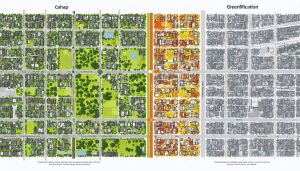
Split-image showing the contrast between urban renewal and gentrification: one side with a modern urban neighborhood featuring green spaces and infrastructure improvements, the other side depicting a neighborhood undergoing demographic shifts due to gentrification.

Urban Renewal vs. Gentrification: The Critical Differences Reshaping Our Cities

Urban renewal and gentrification, while often used interchangeably in development discussions, represent fundamentally distinct approaches to neighborhood transformation. As cities across the globe grapple with aging infrastructure and changing demographics, understanding these differences becomes crucial for construction professionals and urban planners. Urban renewal typically emerges as a government-led initiative, characterized by systematic planning, public funding, and comprehensive infrastructure improvements. In contrast, gentrification manifests as a market-driven phenomenon, where private investment gradually transforms …

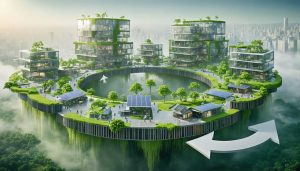
A futuristic cityscape featuring buildings made from reused materials, reflecting circular economy principles in construction. Arrows in a loop overlay illustrate sustainable building material flow.

How Circular Economy Construction is Revolutionizing Building Material Use

The construction industry stands at a pivotal crossroads, where traditional linear “take-make-dispose” models are giving way to revolutionary sustainable building practices centered on circular economy principles. With construction and demolition waste accounting for approximately 40% of global waste production, the transition to circular economy construction represents not just an environmental imperative, but a $4.5 trillion economic opportunity by 2030.
This …

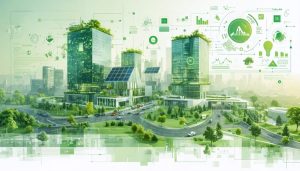
A conceptual illustration of a futuristic cityscape demonstrating smart construction techniques with energy-efficient buildings, eco-materials, and digital displays of sustainability metrics.

Smart Construction’s Most Impactful Sustainability Metrics (With Real-World Applications)

Measure, track, and optimize your building’s environmental impact through robust sustainability metrics in construction that drive real-world results. Global construction leaders have revolutionized project performance by implementing precise sustainability indicators across three critical domains: resource efficiency, environmental impact, and social responsibility.
Industry benchmarks reveal that organizations leveraging comprehensive sustainability metrics achieve 40% greater …

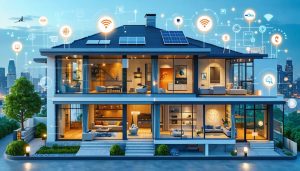
Illustration of a modern house under construction with integrated smart home technology, including WiFi signals and security cameras, set against a futuristic city backdrop.

Smart Home Integration: Future-Proofing Construction Projects for Maximum Value

The integration of smart home features has become a cornerstone of modern construction, transforming how we approach residential development. Industry data reveals that 63% of new construction projects now incorporate automated systems from the ground up, marking a pivotal shift in building methodology.
Pre-wire strategic locations during the framing stage to accommodate future technological upgrades, including dedicated conduits for fiber optics, power-over-ethernet cables, and …