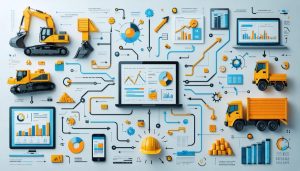

Conceptual graphic of an optimized construction supply chain, highlighting digital procurement tools, material flow, and interconnected logistics elements.

5 Strategies to Optimize Your Construction Supply Chain and Slash Costs

Optimize procurement processes by leveraging supplier relationships, consolidating orders, and negotiating bulk discounts to reduce costs and ensure timely material availability. Implement a robust inventory management system that utilizes real-time tracking, demand forecasting, and just-in-time delivery to minimize carrying costs and prevent stockouts. Streamline logistics operations through strategic warehouse placement, efficient transportation routing, and the use of advanced technologies like RFID and GPS to enhance visibility and reduce lead times. Develop a comprehensive risk mitigation plan that identifies potential supply chain …

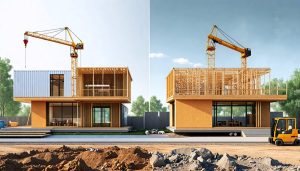
Conceptual illustration showing a comparison between modular home assembly using cranes at a construction site and various prefabricated home types like panelized and shipping container homes.

Modular vs Prefab Homes: Key Differences Every Builder Must Know

Modular and prefabricated homes are revolutionizing the construction industry, offering innovative solutions for faster, more efficient builds. While often used interchangeably, these terms refer to distinct construction methods with significant implications for project timelines, costs, and quality control. This article delves into the key differences between modular and prefabricated homes, providing a comprehensive guide for construction professionals, architects, and decision-makers looking to navigate this rapidly evolving landscape. By exploring the unique advantages, challenges, and applications of each approach, we aim to empower …

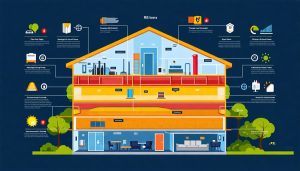
Cross-sectional view of a modern building with labeled layers of different insulation materials and their R-values, highlighting energy savings and environmental benefits.

Boost Your Building’s Energy Efficiency: R-Value Secrets Revealed

Understand the critical role R-value plays in your building’s energy efficiency, comfort, and long-term savings. Innovative projects like Starbucks’ energy-efficient modular store showcase the power of high-performance insulation. Invest the time to thoroughly evaluate R-values for walls, roofs, floors, and windows – small improvements can yield substantial energy savings over your building’s lifespan. Look beyond the numbers and consider real-world performance factors like installation quality, air leakage, and …