
A conceptual image illustrating a futuristic 5G network infrastructure, with glowing network lines interwoven with a cityscape, highlighting connectivity and security elements like padlocks and shields, representing secure construction integration.

5G Network Vulnerabilities Threaten Critical Infrastructure (Here’s What You Need to Know)

As 5G networks revolutionize critical infrastructure operations, securing these high-speed communications systems has become paramount for construction and engineering professionals. The convergence of unprecedented data speeds, ultra-low latency, and massive device connectivity introduces complex security challenges that demand immediate attention from infrastructure developers and project managers.
Recent cybersecurity assessments reveal that 5G networks face unique vulnerabilities at their physical infrastructure layer, virtualized network functions, and network slicing implementations. These security concerns directly impact …

Modern office space featuring ergonomic adjustable furniture made from sustainable materials, with biophilic design elements like plants and natural light, reflecting advanced smart technology integration for enhanced productivity and well-being.

Smart Ergonomics Transform Sustainable Workspaces Into Productivity Powerhouses

Transform workplace productivity and employee well-being through strategic ergonomic design that delivers measurable returns on investment. Recent studies show that well-implemented ergonomic solutions reduce workplace injuries by 59% while increasing productivity by up to 25%.
Modern workplace design transcends basic comfort – it fundamentally shapes organizational performance, talent retention, and operational efficiency. By integrating advanced ergonomic principles with evidence-based design strategies, construction professionals can create spaces that optimize human performance while meeting stringent sustainability …

A conceptual image depicting a modern building infused with sensory data, alongside representations of the five human senses, illustrating the impact of sensory design in architecture.

Sensory Design: The New Frontier in Construction That’s Transforming User Experience

Sensory design transcends traditional architectural approaches by orchestrating spatial experiences that engage all five human senses, fundamentally reshaping how we interact with built environments. This sophisticated design methodology addresses core human needs through carefully calibrated environmental stimuli, transforming ordinary spaces into immersive, multi-sensory experiences that enhance occupant wellbeing and performance.
Recent neuroscientific research reveals that …

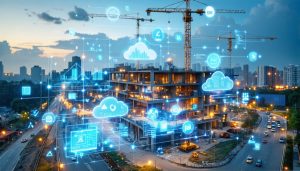
Conceptual illustration of a construction site with edge computing elements, including construction equipment connected by digital network grids, IoT sensors, and local processing nodes, symbolizing real-time data processing and monitoring.

Edge Computing Infrastructure That Makes Real-Time Monitoring Actually Work

Edge computing infrastructure revolutionizes construction site operations by processing mission-critical data within milliseconds, directly where it’s generated. This fundamental shift from cloud-dependent systems to localized computing networks enables real-time monitoring of equipment performance, worker safety protocols, and structural integrity measurements – crucial capabilities for modern construction projects operating in remote or bandwidth-constrained environments.
As construction sites evolve into increasingly connected ecosystems, edge computing infrastructure serves as the backbone for instant decision-making…

Conceptual image showing a traditional infrastructure asset with an overlaid digital grid, displaying real-time data streams and cybersecurity elements, illustrating the concept of cyber digital twins enhancing infrastructure protection.

Cyber Digital Twins Are Revolutionizing Infrastructure Risk Management

In an era where cybersecurity threats pose unprecedented risks to critical infrastructure, cyber digital twins emerge as a revolutionary approach to safeguarding industrial systems. These sophisticated virtual replicas simulate real-world operations in real-time, enabling organizations to predict, detect, and neutralize cyber threats before they impact physical assets. By creating an exact digital counterpart of operational technology (OT) environments, cyber digital twins provide infrastructure managers with a powerful platform for testing security protocols, conducting vulnerability assessments, and orchestrating incident response …

Split-screen image of a modern, smart office space with advanced lighting and collaborative areas next to a digital display showing brain activity patterns and neural connections.

Smart Buildings Get Smarter: How Cognitive Design Reshapes Modern Architecture

Cognitive design revolutionizes how we create spaces that enhance human performance, wellbeing, and productivity through scientific understanding of mental processes. By merging neuroscience with human-centric architectural design, professionals now shape environments that actively support cognitive function rather than merely housing occupants.
Recent advances in environmental psychology reveal that thoughtfully designed spaces can improve decision-making by 287%, boost creative …

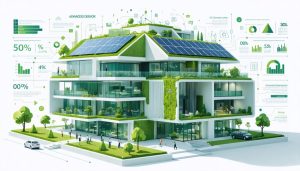
Futuristic building with green walls, smart solar panels, and interactive digital displays, illustrating the integration of technology and nature.

Future-Proof Architecture: How Smart Buildings Adapt to These 7 Core Human Needs

In an era where architectural innovation intersects with human psychology, understanding the seven fundamental human needs has become critical for creating spaces that truly serve their occupants. Modern construction professionals face an unprecedented challenge: designing environments that not only meet technical specifications but also satisfy deep-rooted human requirements for safety, connection, and well-being.
Recent studies in architectural psychology reveal that buildings meeting all seven human needs demonstrate 42% higher occupant satisfaction rates and 31% better long-term functionality. This data underscores a paradigm …

Conceptual visualization of quantum computing disrupting traditional cryptographic defenses with visual elements representing quantum waves breaking through an RSA key.

Quantum Computing Threatens Infrastructure Security – Here’s How We’re Fighting Back

Quantum computing’s emergence represents an unprecedented threat to current cryptographic systems, with experts predicting that quantum computers could break widely-used RSA encryption within the next decade. Organizations must urgently implement quantum-resistant security measures to protect their digital infrastructure against this looming cybersecurity challenge. The convergence of quantum computing capabilities and existing security protocols creates a critical vulnerability window where traditional encryption methods become increasingly susceptible to quantum attacks.
This next-generation computing paradigm will …

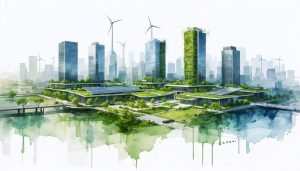
Modern cityscape with skyscrapers featuring vertical gardens and living walls, abundant natural light, and water features, illustrating nature's integration into urban architecture for enhanced wellbeing.

Biophilic Design: How Nature is Revolutionizing Urban Architecture

Biophilic design revolutionizes modern urban architecture by systematically integrating nature into built environments, delivering measurable improvements in human health, productivity, and well-being. This evidence-based approach transforms conventional construction paradigms through strategic incorporation of natural elements, living systems, and organic patterns into structural frameworks.
Recent research from the International Well Building Institute demonstrates that occupants of biophilic spaces experience a 15% increase in well-being, 15% higher levels of creativity, and a remarkable 6…

A conceptual illustration of a decentralized blockchain network with interconnected nodes and dynamic data flow, highlighting blockchain's security features in infrastructure protection.

Blockchain Security: The Real Truth Behind Infrastructure Protection

Blockchain technology has emerged as a decisive force in addressing modern infrastructure security threats, yet its safety remains a critical concern for construction and infrastructure professionals. While blockchain’s core architecture delivers unprecedented security through cryptographic validation and distributed consensus mechanisms, implementation vulnerabilities demand careful consideration. The technology’s immutable ledger system provides tamper-resistant …