
A futuristic cityscape showcasing modern infrastructure with integrated HVAC systems, renewable energy sources, and smart technology interfaces, emphasizing sustainable and climate-resilient construction practices.

How New HVAC Building Codes Are Reshaping Climate-Resilient Construction

HVAC building codes represent the critical intersection of engineering precision, public safety, and environmental responsibility in modern construction. As climate change intensifies and energy efficiency becomes paramount, these regulations have evolved from simple ventilation requirements into comprehensive frameworks that shape the future of sustainable building design.
Recent updates to international building codes mandate up to 30% higher energy efficiency standards for HVAC systems, while introducing stringent requirements for smart building controls and renewable energy integration. These changes directly impact how …


Futuristic industrial scene illustrating the concept of predictive maintenance with digital data streams processing equipment performance metrics.

How Predictive Maintenance is Revolutionizing Modern Energy Management

Predictive maintenance revolutionizes how industries prevent equipment failures and optimize operational efficiency through advanced analytics and real-time monitoring. By leveraging sophisticated energy management systems and sensor networks, this proactive approach detects potential issues before they escalate into costly breakdowns. Unlike traditional maintenance schedules, predictive maintenance employs machine learning algorithms and IoT sensors to analyze equipment performance patterns, …

A conceptual image depicting a quality control robot on a construction site, utilizing advanced sensors and AI to inspect building structures, symbolizing the technological revolution in construction accuracy.

Quality Control Robots Are Revolutionizing Construction Accuracy

Quality control robots are revolutionizing construction site inspection processes, emerging as one of the most transformative construction innovations of the past decade. These autonomous systems, equipped with advanced sensors and machine learning capabilities, are reducing inspection times by up to 90% while achieving unprecedented accuracy rates of 99.9% in defect detection.
Unlike traditional manual inspection methods, which typically sample only 10-15% of materials and components, robotic …

Construction site workers using advanced technology for real-time carbon tracking, showcasing digital data overlay on building sustainability efforts.

Carbon Tracking in Construction: Smart Solutions That Actually Drive Results

Carbon tracking has become the cornerstone of modern construction sustainability, driving measurable reductions in environmental impact while delivering significant cost savings across building lifecycles. Implementation of proven decarbonization strategies now enables construction firms to quantify, monitor, and optimize their emissions with unprecedented precision. As regulatory requirements tighten and stakeholder expectations evolve, sophisticated carbon tracking systems …

A dynamic construction site depicting the K-Cycle program transforming waste into sustainable building materials with advanced technology integration.

K-Cycle Innovation Transforms Construction Waste Into High-Performance Building Materials

Revolutionizing construction waste management, the K-cycle recycling program represents a paradigm shift in how the construction industry handles material recovery and reuse. This innovative closed-loop system achieves up to 95% waste diversion rates by implementing advanced sorting technologies, specialized processing equipment, and real-time tracking mechanisms. Unlike traditional recycling methods, K-cycle technology systematically breaks down complex construction materials into …

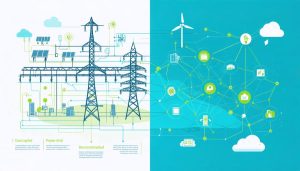
Conceptual illustration depicting the evolution of energy infrastructure, contrasting a traditional centralized power grid on the left with a modern decentralized network on the right, featuring smart technology elements like solar panels and wind turbines.

3-Tier Energy Infrastructure: The Blueprint Reshaping Decentralized Power Networks

Three-tier infrastructure architecture stands as the backbone of modern enterprise systems, revolutionizing how organizations deploy, manage, and scale their digital operations. This sophisticated approach divides system components into presentation, application, and data layers, creating a robust framework that enhances security, scalability, and maintenance efficiency.
Industry leaders across manufacturing, healthcare, and financial services increasingly adopt three-tier architectures to meet evolving business demands. By separating concerns between user interface, business logic, and data storage, organizations achieve …

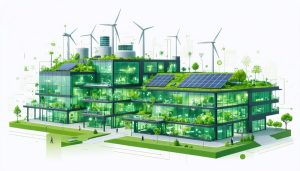
Illustration of a modern industrial building with solar panels, wind turbines, and greenery, demonstrating energy efficiency and sustainable architecture.

Smart Green Building: How Industrial Energy Efficiency Cuts Costs and Carbon

Green building strategies and energy efficiency measures have become critical drivers of profitability in modern construction, delivering up to 40% reduction in operational costs while meeting increasingly stringent environmental regulations. Industry leaders leveraging integrated design approaches consistently achieve LEED certification while reducing energy consumption by 25-35% compared to conventional buildings.
The convergence of advanced building automation systems, renewable energy integration, and high-performance building envelopes has transformed how we approach sustainable construction. These innovations, combined with …

Conceptual image of a digital construction platform interface showing traditional blueprints transitioning into digital displays, with visuals of IoT icons and cloud symbols in a cityscape representing modern construction communication.

Digital Construction Platforms Are Revolutionizing Project Communication (Here’s How)

Digital transformation revolutionizes construction project delivery by eliminating costly delays, reducing errors, and driving unprecedented efficiency gains across operations. Modern construction firms leverage cloud-based platforms, real-time collaboration tools, and integrated construction communication plans to achieve up to 35% faster project completion and 25% cost reduction.
The convergence of Building Information Modeling (BIM), Internet of Things (IoT) sensors, and artificial …

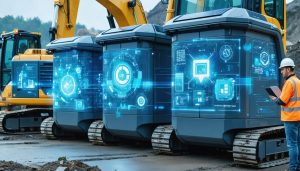
Futuristic construction site showcasing advanced smart waste bins with digital interfaces and connectivity displays, integrated within an eco-friendly environment.

Smart Waste Bins Are Revolutionizing Construction Site Management

Smart waste bins are transforming construction site efficiency alongside other emerging smart construction technologies, delivering unprecedented control over waste management operations. These IoT-enabled containers leverage real-time monitoring systems to optimize collection schedules, reduce operational costs by up to 30%, and ensure regulatory compliance through automated documentation. For construction project managers facing increasing pressure to improve sustainability metrics and …

A construction site using advanced technologies such as digital dashboards, smart meters, and rainwater harvesting systems to demonstrate integrated smart water management solutions.

Smart Water Solutions That Cut Construction Costs While Saving the Planet

Implement integrated water recycling systems across construction sites to reduce freshwater consumption by up to 40% while maintaining operational efficiency. Deploy smart metering and modern water infrastructure to monitor usage patterns in real-time, enabling data-driven decisions that optimize resource allocation and reduce waste. Install bioretention systems and permeable pavements to manage stormwater runoff effectively, meeting EPA regulations while creating long-term cost savings …